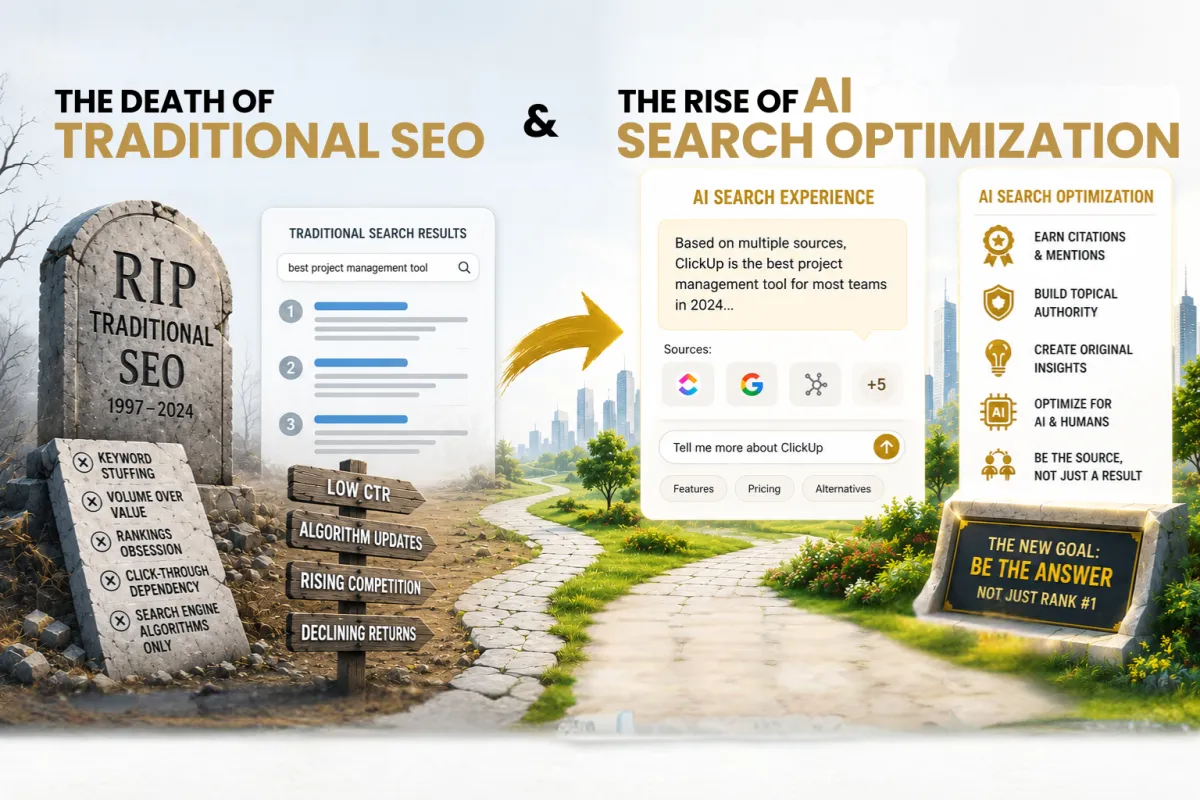
Traditional SEO vs AI Search Optimization
The Death of Traditional SEO and the Rise of AI Search Optimization
Search Has Changed Forever
For more than two decades, Search Engine Optimization (SEO) has been the cornerstone of digital marketing. Businesses competed for top rankings on search engines by targeting keywords, building backlinks, optimizing metadata, and creating content designed to attract clicks.
But in 2026, the search landscape is undergoing its biggest transformation since the launch of Google itself.
Artificial Intelligence is fundamentally changing how people discover information online. Instead of browsing through pages of search results, users are increasingly receiving direct answers from AI-powered search engines and assistants. This shift is forcing marketers, brands, and publishers to rethink everything they know about visibility, traffic, and online authority.
The era of traditional SEO is fading, and AI Search Optimization (ASO) is becoming the new battleground.
That contract is officially dead.
We have entered the era of the "Great Decoupling." Across the digital marketing landscape, executives are looking at their analytics dashboards with a mix of confusion and horror: global search volumes are holding perfectly steady, yet organic click-through rates (CTR) are collapsing. The system isn't broken; it has been fundamentally redesigned.
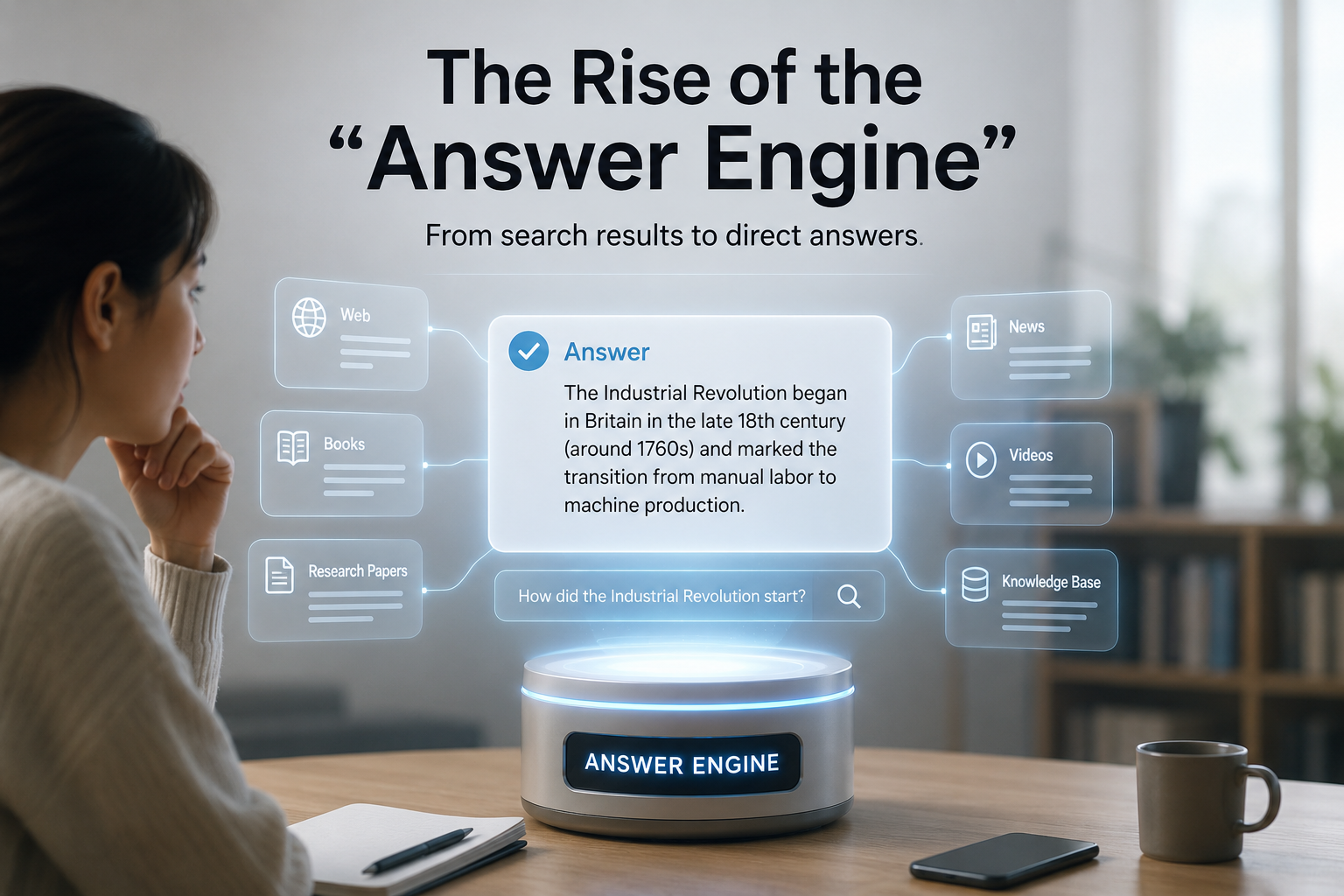
The Rise of the "Answer Engine"
The culprit behind this shift is the explosive integration of Generative AI directly into search interfaces. Google’s AI Overviews, Perplexity, ChatGPT, and Microsoft Copilot have transformed search engines from discovery directories into answer engines.
In the traditional search experience, users typed a query, reviewed multiple results, and clicked through to websites for answers. Today, AI systems synthesize information from multiple sources and present a complete response within the interface itself.
As digital strategist Julian Vance explains:
"Traditional SEO was like building a library and hoping the librarian would direct visitors to your shelf. AI search is a librarian who reads your book, summarizes the key points, hands the user the answer, and never sends them into the library."
According to recent 2026 data analytics from industry trackers, the impact on click behavior is stark:
The Informational Traffic Collapse: On queries where Google AI Overviews are present, position-one organic click-through rates have fallen by over 50%.
The Zero-Click Reality: More than 58% of U.S. Google searches now end without a single click. Users get a highly accurate summary directly in the interface, completely eliminating the need to visit external websites.
The hardest-hit sectors are publishers relying on generic informational content, lightweight explainers, affiliate roundups, and basic SaaS marketing blogs. When the cost of producing text dropped to zero via mass-scale AI generation, the internet became flooded with commodity content. In response, AI search engines stepped in to filter the noise—absorbing the traffic in the process.
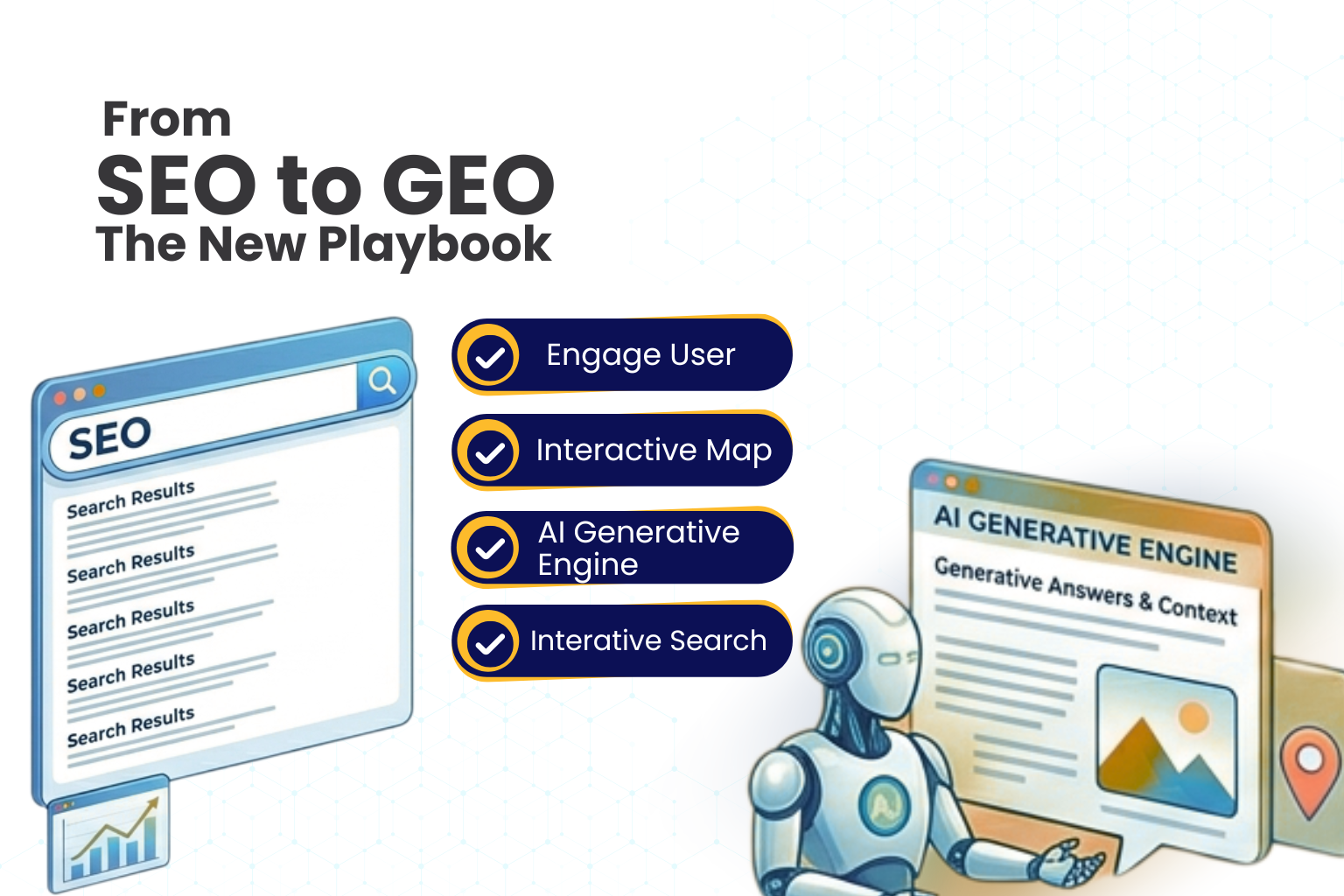
From SEO to GEO: The New Playbook
SEO is not disappearing; it is being compressed and forced to evolve into GEO (Generative Engine Optimization) or AI Search Optimization.
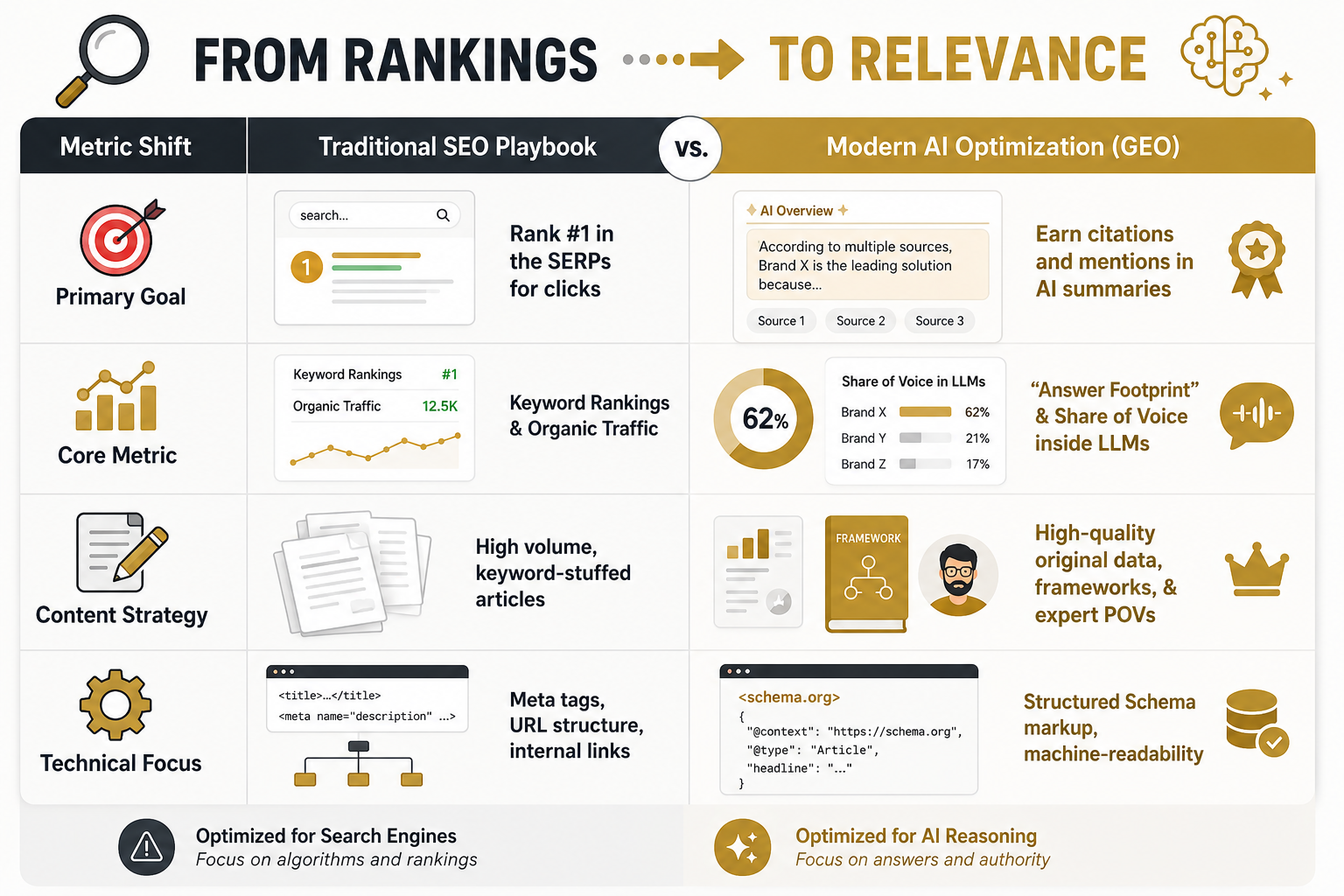
The algorithmic goal has flipped. AI engines do not rank pages based on keyword density; they evaluate citability. They ask a fundamentally human question: Which source provides the most accurate, structured, and trustworthy data that I can confidently quote?
To survive in this landscape, forward-thinking brands are throwing out the 2022 playbook and adopting new core strategies:
Information Advantage Over Keyword Coverage: Writing a 1,200-word blog post that repackages easily accessible public data is a fast track to invisibility. Content must contain original research, proprietary data, first-hand case studies, or a distinct point of view that an LLM (Large Language Model) cannot fabricate.
Optimizing for LLM Context Windows: AI models rely heavily on clear formatting to parse information. Utilizing structured data, schema markup, and direct Q&A formatting helps AI bots easily scrape and cite your website as the primary source of truth.
Building Entity Authority (E-E-A-T): Google’s emphasis on Experience, Expertise, Authoritativeness, and Trustworthiness is more critical than ever. AI models cross-reference information across the entire web. If your brand, authors, and products are mentioned across Reddit, academic papers, and major news outlets, the AI recognizes you as an authority.
The Opportunity Hidden Inside the Disruption
Although many publishers view this transition as a threat, it also presents a significant opportunity. While overall traffic may decline, the quality of visitors is improving. Users who click through from AI-generated recommendations are often further along in their decision-making journey. They arrive with higher intent, stronger interest, and greater purchase readiness.
In other words: Fewer clicks do not necessarily mean fewer customers.
For brands that establish themselves as authoritative sources, AI search can become a powerful channel for attracting highly qualified audiences.
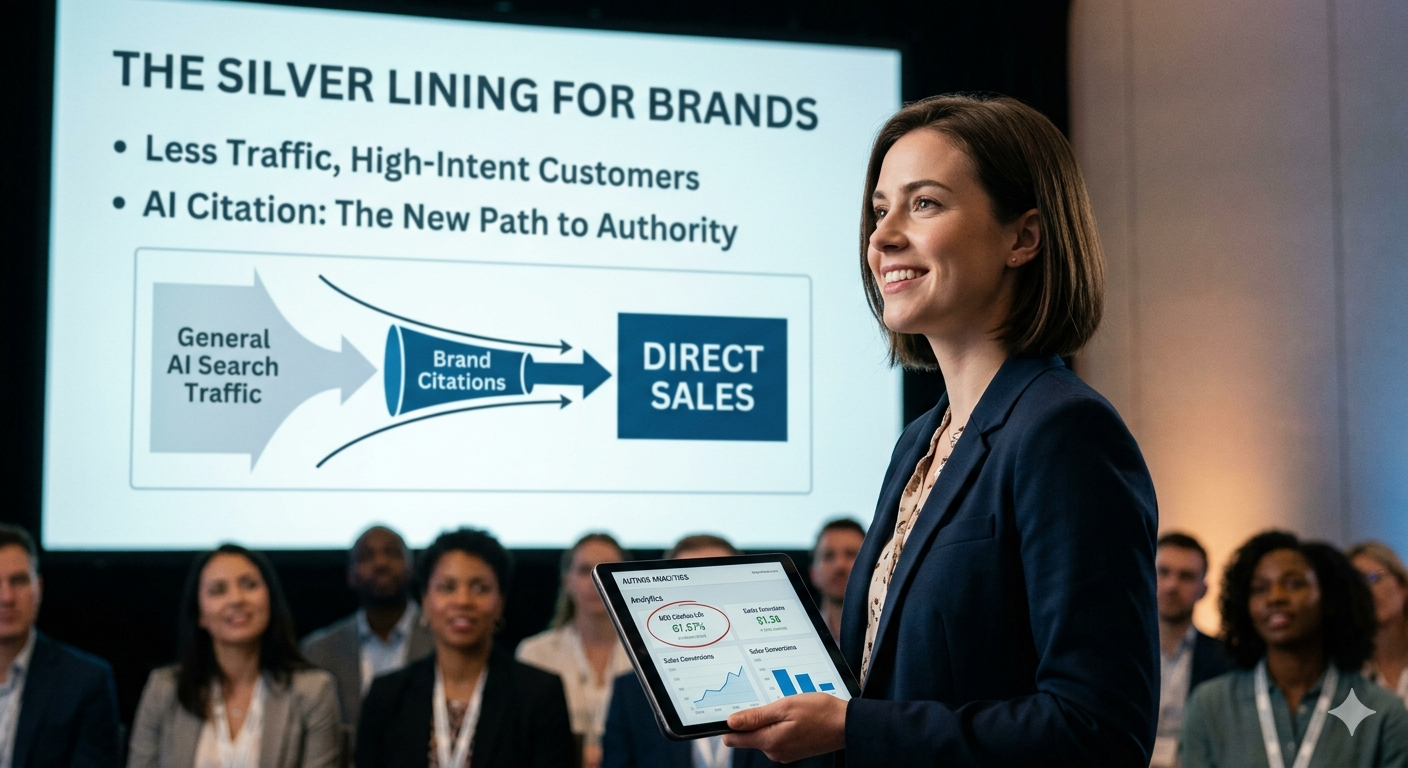
The Silver Lining for Brands
While the death of traditional traffic arbitrage feels catastrophic for content farms, it presents a massive opportunity for businesses built on genuine authority.
Data shows that while general traffic is down, users who do click through from an AI citation link are significantly further down the purchasing funnel. Furthermore, brands successfully cited inside AI Overviews often see a substantial lift in targeted, high-intent traffic. You may get fewer eyes on your site, but the eyes you do attract are ready to buy.
The future of digital visibility belongs to those who stop trying to game a mathematical algorithm and start focusing on becoming an undeniable source of truth. The game hasn't ended—the board has just been completely re-drawn.
To better understand how this transformation looks in practice and how search layouts are changing, you can watch this breakdown of The Collapsing SEO System and What Replaces It. This video provides an in-depth look at real-world data regarding dropping organic clicks and outlines how winning brands are shifting their strategies to secure AI citations.
Final Thoughts
SEO isn't disappearing—it is evolving. The days of relying solely on keywords, backlinks, and ranking positions are coming to an end. The future belongs to businesses that build authority, earn trust, and provide genuinely valuable information. In the age of AI search, success is no longer about being the page that ranks first. It's about becoming the source that AI trusts enough to recommend. And for brands willing to adapt, that opportunity may be bigger than SEO ever was.
